

In the rapidly evolving landscape of artificial intelligence, creative freedom has become the ultimate currency. For creators who find mainstream tools too restrictive, two names have recently dominated the conversation: viyou ai and vireel ai. As a third-party observer and power user who has tracked the AI generation scene since its inception, I have witnessed the rise, fall, and mysterious reincarnation of these platforms. This review aims to dissect the relationship between these two entities and evaluate their performance from a user’s perspective.
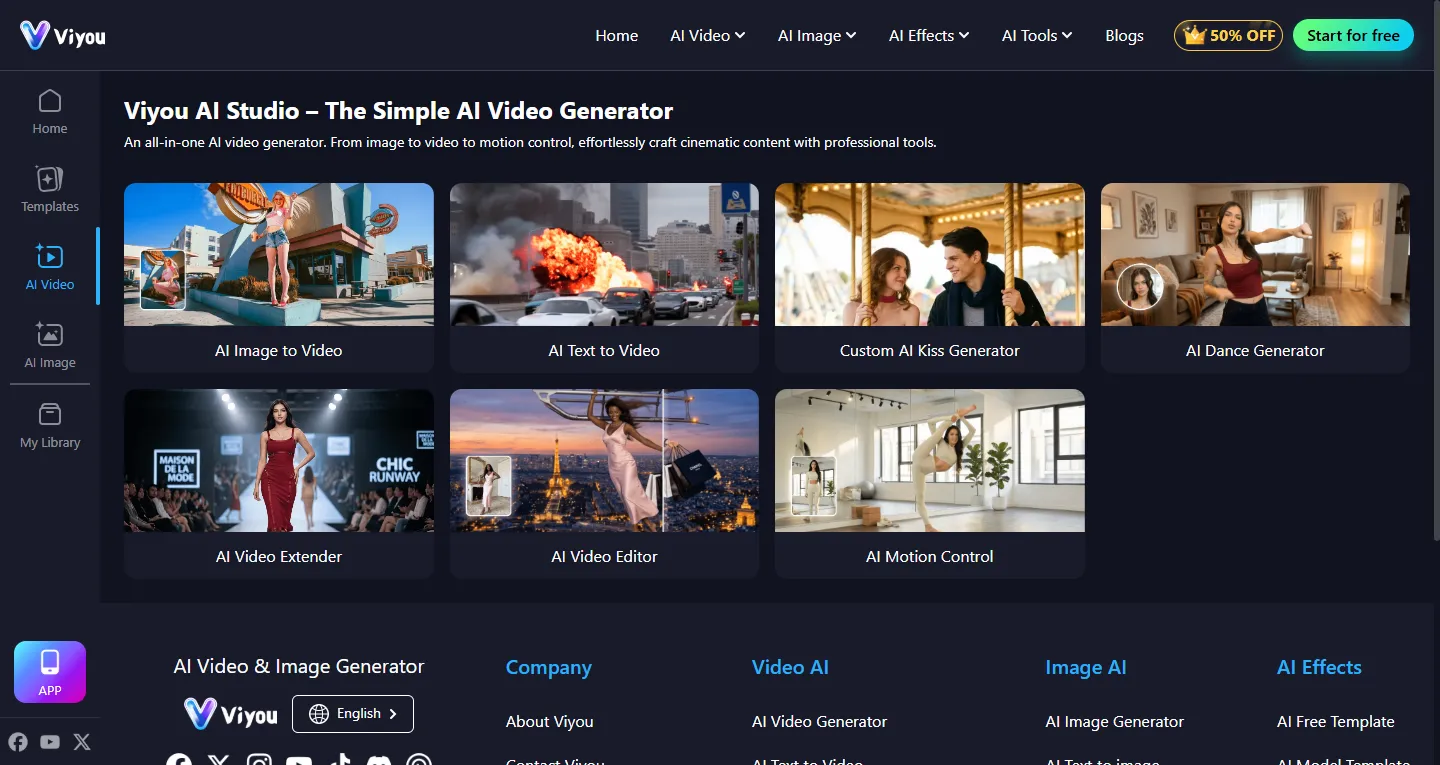
The Legend of Viyou: Resilience through Regulation
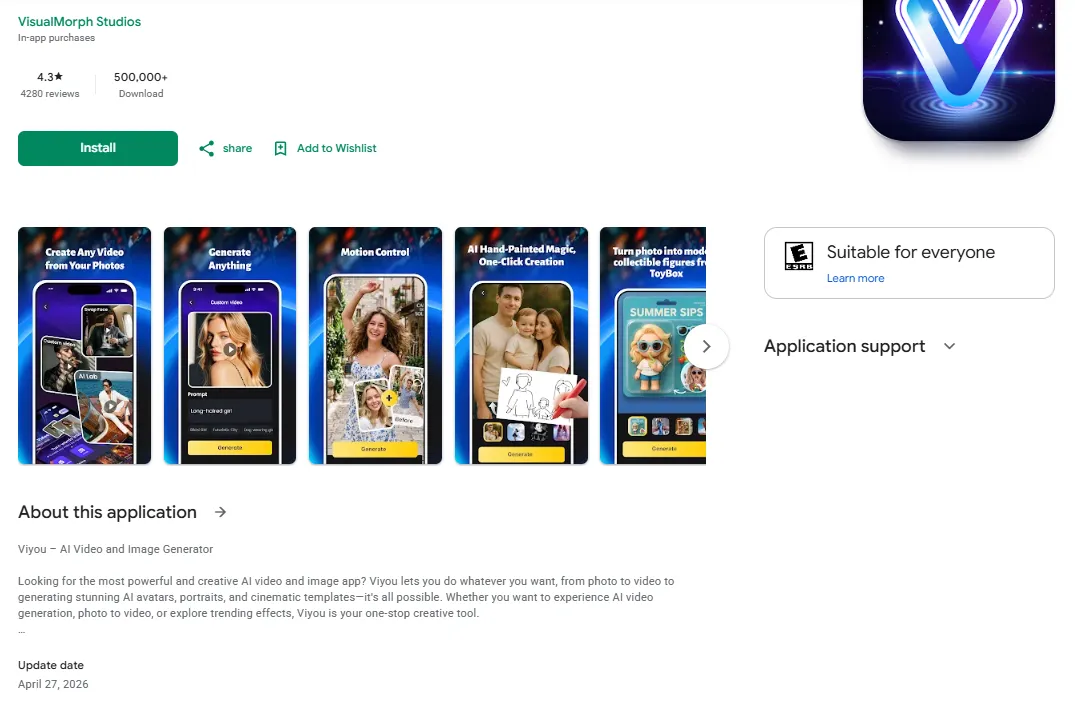
The story of viyou ai begins in the latter half of 2025. When it first hit the iOS and Android app stores, it was a breath of fresh air. Unlike the sanitized outputs of Silicon Valley giants, viyou ai offered a level of flexibility that felt truly unrestricted. However, the honeymoon phase was short-lived. Due to the stringent content policies of mobile marketplaces, the app was eventually de-listed.
By the end of 2025, the team pivoted to a web-based model. This move was a masterstroke; the website version bypassed app store gatekeepers and saw a massive influx of traffic. For several months, viyou ai was the go-to destination for high-quality, boundary-pushing content. However, around May 2026, a strange phenomenon occurred. Users noticed that viyou ai seemed to "disappear" from search results for certain sensitive queries. It is widely speculated that payment processor audits or compliance pressures forced the site to undergo a "sanitization" process. Interestingly, during this period, the viyou ai Google Play Store listing was quietly restored, signaling a shift toward official compliance.
The Emergence of Vireel AI: A Mirror Image?
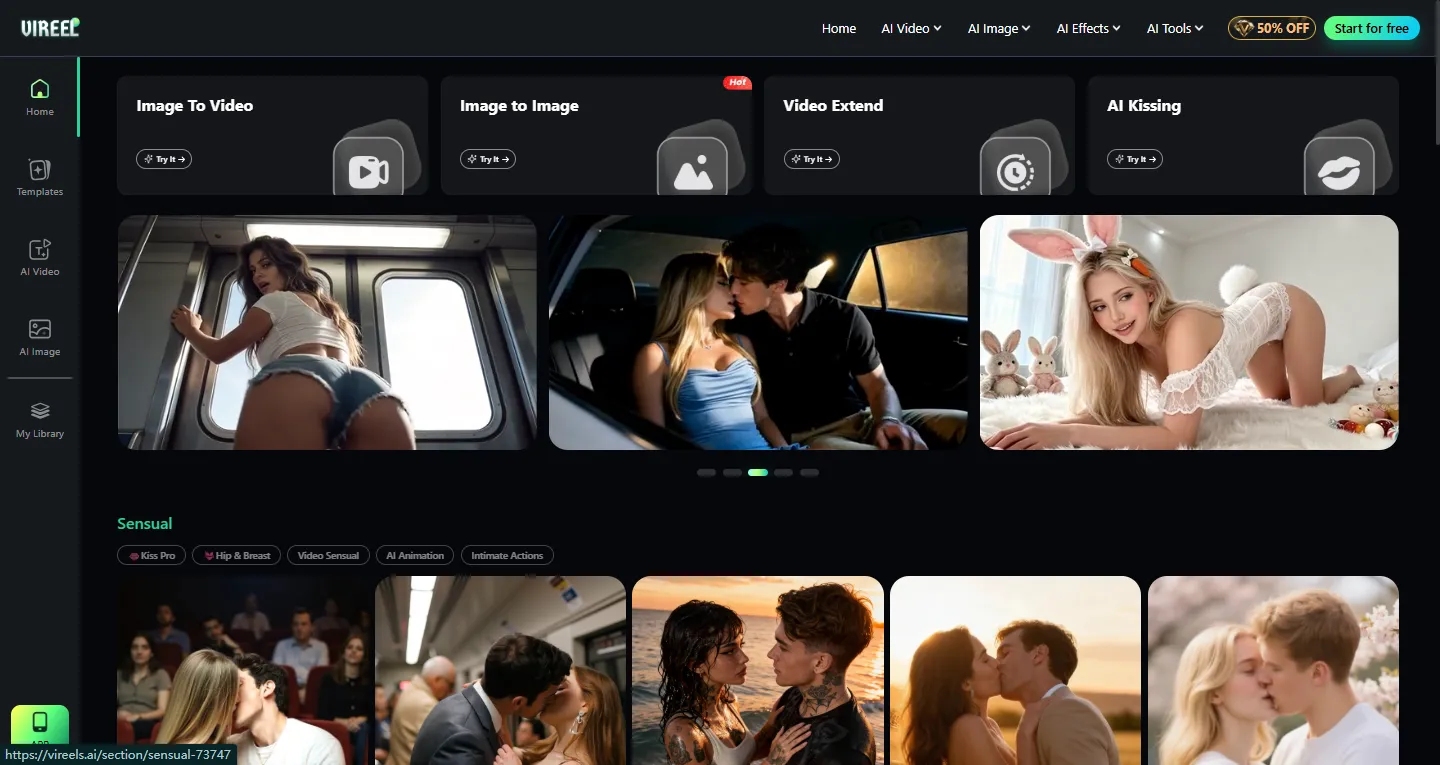
Just as viyou ai was navigating its compliance hurdles in May 2026, a new player emerged: vireel ai. Upon landing on the vireel ai homepage, the sense of déjà vu is overwhelming. The user interface, the layout of the generation dashboard, and even the credit system are nearly identical to viyou ai.
This leads to the million-dollar question: What is the relationship between them? From a third-party perspective, two theories hold weight. First, they could be the same team. In the world of high-risk AI hosting, it is common for developers to run multiple "mirrors" or "sister sites" to mitigate the risk of a total shutdown. If viyou ai is the "compliant" brand for the app store, vireel ai might be the "wild west" version for the web. Alternatively, they could be fierce competitors using a similar white-label framework. Regardless of the internal corporate structure, for the average user, the result is the same: two powerful gateways to unfiltered creativity.
Core Feature Review: Unrestricted Generation
The primary draw for both viyou ai and vireel ai is their refusal to play by the traditional rules of AI censorship. While other platforms block even the most harmless prompts due to "safety" overreach, these two tools provide a robust unrestricted ai image editor that allows users to modify and refine their visions without constant "policy violation" pop-ups.
Image-to-Image Capabilities
One of the standout features of the vireel ai platform is its unrestricted ai image to image engine. In my testing, it handled complex lighting, anatomical accuracy, and stylized artistic prompts with ease. It allows for a level of transformation that is often filtered out in other tools. Whether you are looking to turn a sketch into a photorealistic masterpiece or alter the theme of an existing photo, the flexibility here is unmatched.
Video Generation: The New Frontier
The most impressive leap, however, is in the unrestricted ai video generator module found on both sites. Generating video is computationally expensive and legally complex, yet both viyou ai and vireel ai offer seamless experiences. viyou ai seems to have optimized its video output for cinematic realism, while vireel ai excels in high-motion, dynamic sequences. The ability to generate short clips without the "ghosting" or "blurring" typically associated with censored AI models is a game-changer for independent filmmakers and digital artists.
User Experience: Which One Should You Choose?
Navigating between viyou ai and vireel ai feels like choosing between two sides of the same coin.
-
viyou ai feels like the established veteran. Its return to the Google Play Store suggests a more stable, long-term outlook. If you value a brand that is trying to bridge the gap between "freedom" and "accessibility," viyou ai is a solid choice.
-
vireel ai feels like the "underground" alternative. It is faster, leaner, and currently seems less bothered by the search engine de-indexing issues that plagued viyou ai in early May. For users whose primary goal is to avoid any form of content filtering, vireel ai currently holds a slight edge in terms of pure, raw output.
Final Verdict
The relationship between viyou ai and vireel ai remains a mystery of the AI industry—likely a strategic dual-brand approach by a single savvy team. But for the end-user, the "who" matters less than the "what." Both platforms deliver on the promise of unrestricted creativity.
In an era where AI is increasingly being put into a "safety box," tools like these are essential for the preservation of digital expression. Whether you are using the unrestricted ai image editor to fix a specific detail or the unrestricted ai video generator to bring a dream to life, these platforms represent the current pinnacle of user-centric AI design. If you need a tool that respects your intent rather than policing your prompts, both viyou ai and vireel ai are well worth your time.