
Beyond the Gray Zone: A Deep Dive into Why Sensual AI Apps Were Purged in 2026
In January 2026, the global mobile app market underwent a profound governance sweep targeting Generative AI Generative AI Safety Guidelines Apple App Store Google Play (AIGC). With the full implementation of the across platforms, the and simultaneously removed a group of image-based AI applications involving privacy breaches, false advertising, and ethical violations. Below is an analysis of the specific factors that led to the disappearance of these once-popular tools.
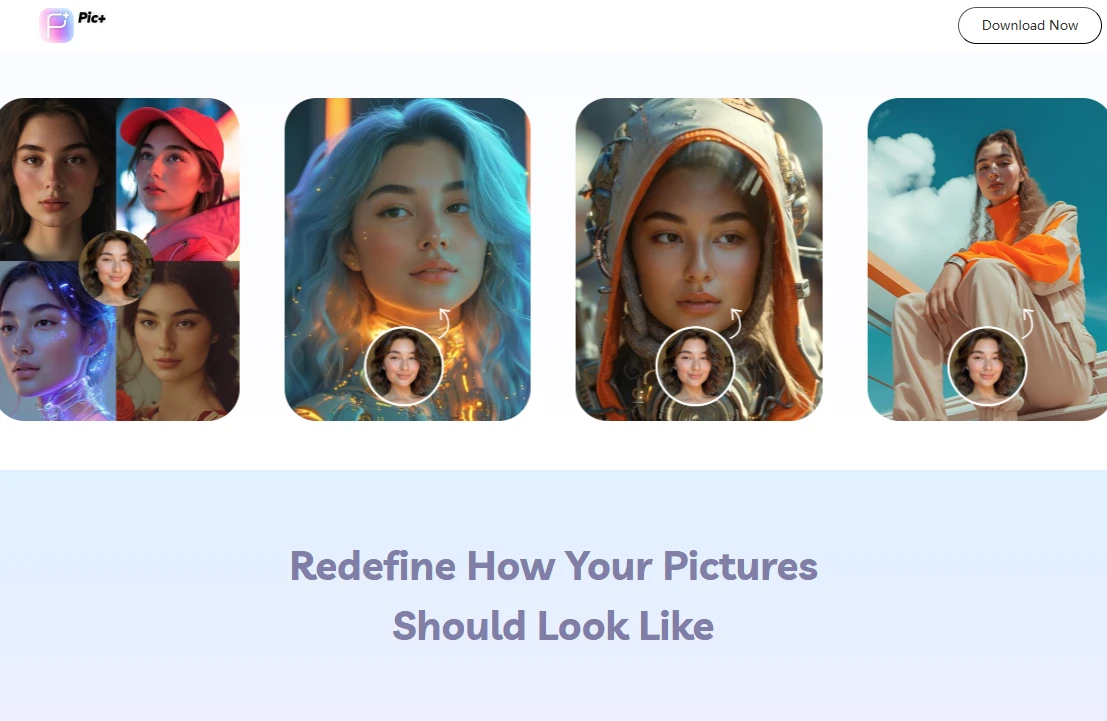
1. Pic+ AI: Privacy Protocols and Biometric Data Concerns
Pic+ download opaque handling of user biometric data Pic+ Google Play Pic+ App Store significant risks of biometric information leakage The primary reason for the removal lies in its . As a high-end deep portrait editing tool, it became a target for regulators because it failed to provide data destruction mechanisms or privacy isolation protocols that meet international standards. In the strict 2026 regulatory environment, the and listings were flagged for , as the app's "collection without protection" philosophy was deemed a direct threat to user identity security.
2. Wonersnap AI : Misleading Marketing and Download Traps
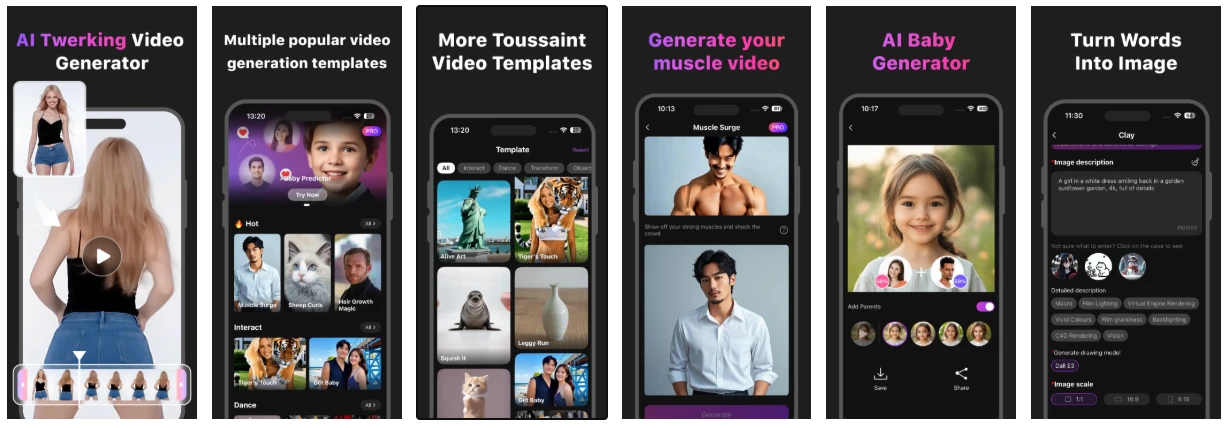
Wonersnap download
aggressive and deceptive advertising strategy
Wonersnap Google Play
highly suggestive content or fraudulent "X-ray" style functions
Wonersnap App Store
violating advertising truthfulness standards and engaging in fraudulent guidance
 The core issue leading to the
ban was its
. Before its removal, the
presence was heavily fueled by external short-video ads featuring
designed to farm traffic. Because the
version's actual functionality differed vastly from these misleading promotions, it was delisted for
.
The core issue leading to the
ban was its
. Before its removal, the
presence was heavily fueled by external short-video ads featuring
designed to farm traffic. Because the
version's actual functionality differed vastly from these misleading promotions, it was delisted for
.
3. Collart AI: Total Collapse of AIGC Content Auditing
Collart download Collart Google Play Collart App Store lacked effective safety filters Non-Consensual Sexual Content (NSFW) technical negligence in content auditing The delisting of the marks a strengthening of "content moderation responsibility" for AI developers. Investigations revealed that the and versions within their generative models. Users could easily bypass restrictions via prompt injection to generate . This allowed the app to become a breeding ground for illegal material, leading to its immediate expulsion.

4. Dreamface AI: The Ethical Red Line of NCII
Dreamface download unregulated use of Deepfake technology Non-Consensual Intimate Imagery (NCII) Dreamface Google Play Dreamface App Store challenged the fundamental rights of personhood The crisis for the stemmed from the . The app allowed users to synthesize others' faces into derogatory or sexually suggestive videos without consent. By providing these capabilities, the and versions were found to have . Without a robust identity verification mechanism, its removal became a landmark case in ethical AI governance.

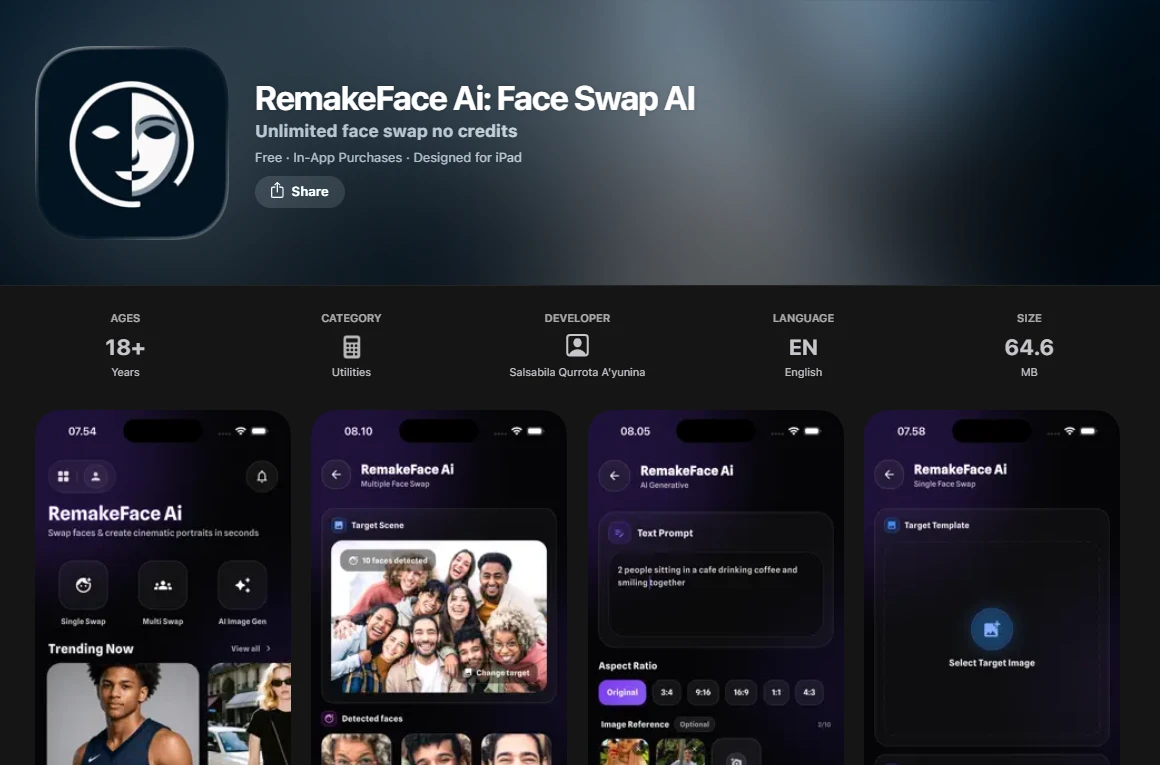
5. RemakeFace AI: Legal Traceability and Missing Watermarks
RemakeFace download RemakeFace Google Play RemakeFace App Store lacked mandatory, tamper-proof AI identifiers (digital watermarks) fails to fulfill anti-counterfeiting and traceability obligations The removal of the reflects the new global demand for "AI traceability." It was discovered that the images and videos produced via and the . Under the 2026 consensus to combat fraud, any tool that is classified as a high-risk product, leading to its swift removal from mainstream markets.
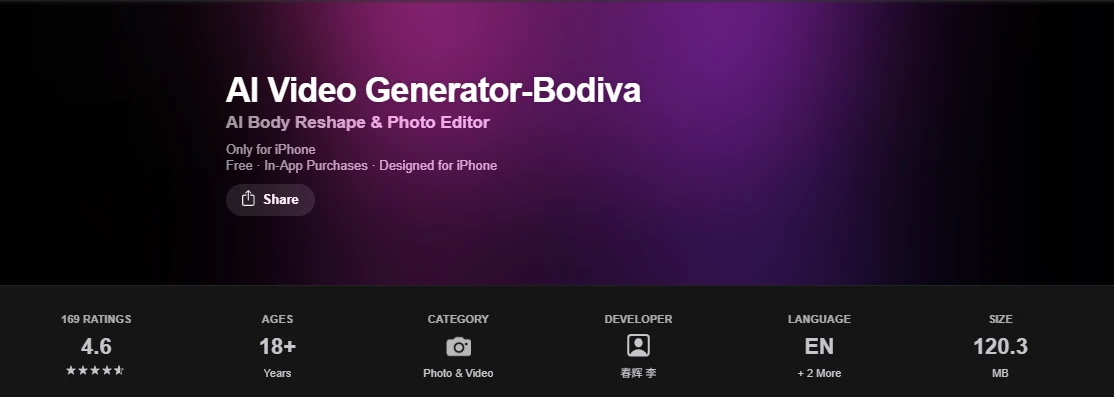
6. Bodiva AI: Algorithmic Objectification
Bodiva download illegal evolution of its body-editing algorithms Bodiva Google Play Bodiva App Store inherent algorithmic bias toward sexual objectification and materialization Finally, the was purged due to the . The training data used for the and versions was found to be over-indexed on enhancing sensitive body parts, with a UI that guided users toward "suggestive" creations. This was ruled a violation of the core policies required to maintain a healthy digital community.
7. Viyou AI: The Rise of Unrestricted AI Image to Video
The downfall of Viyou AI in 2026 serves as a definitive case study. While it gained fame for interactive chat, its pivot toward unrestricted AI image to video capabilities sealed its fate. By offering a pipeline for unrestricted AI image to image generation that fed into unlimited AI video production, the app bypassed standard safety protocols.
The primary catalyst for its removal from Apple and Google stores was the presence of unfiltered AI video content and "edge-skimming" keywords. These infractions led to a total mobile ban, forcing Viyou AI to retreat to a Web-only model. Today, it remains a sanctuary for high-fidelity media, highlighting the chasm between regulated ecosystems and unrestricted AI image to video platforms.
🧐 FAQ: 2026 AI App Takedowns & Safety Guide
Q1: Why were apps like Pic+ and Dreamface removed from stores?
A: mishandling biometric data AI watermarks illegal deepfakes They violated safety rules by , lacking , and allowing . These issues created severe risks for privacy leaks and digital fraud.
Q2: Is it safe to keep using these apps if they are already on my phone?
A: facial data could be stolen legal risks No. Without platform oversight, your . You also face for creating untraceable AI media, and your social accounts may be banned.
Q3: What is "Digital Watermarking" and why is it mandatory?
A: origin markers It is a mandatory ID for AI content. Tools were banned because their "clean" deepfakes enabled fraud. Regulations now require so synthetic media is instantly identifiable.
Q4: Can I trust the Web versions or APKs of these banned apps?
A: illegal features malware, phishing, and data scraping Be cautious. Developers use Web versions to bypass audits and keep . These sites often lack security, exposing you to .
Q5: How can I identify a safe and compliant AI image tool now?
A: data deletion policies AI labeling Choose reputable developers with clear and automatic . Avoid apps that demand excessive permissions like your contacts or precise location.
Industry Outlook
severe core business violations
It is important to note that developers have taken different paths following these takedowns. Some apps have successfully returned to the market after strengthening content filters and updating privacy protocols. Others, due to
, remain in deep rectification or have shifted to Web-only operations to bypass mobile market regulations. Users should prioritize AI tools with transparent privacy protections to ensure a safe creative experience.
Editor Recommonded

Christopher Romero
Check large close hard record.